Northern Embers
Blog Posts
Starting Northern Embers
May 25, 2026 · Jessica Leeson
Starting a blog honestly feels a little strange to me.
If you know me in real life, you probably already know I’m not exactly someone who normally sits down and writes publicly about my thoughts or experiences, so this is definitely outside of my comfort zone — which is honestly kind of fitting considering that’s exactly how my wildfire career started too.
Northern Embers is going to be a place where I can document past wildfire seasons, northern adventures, dispatch life, aviation, photography, and everything that somehow happens in between. In a lot of ways, I think this blog will become a journal of this fire season as well as a reflection on the previous ones.
After the 2025 fire season that included over 500 hours of overtime, I’m honestly excited to finally slow down a little and go back through my notes, photos, memories, and experiences from the last few years. Fire seasons move so fast that entire weeks start blending together, and before you know it another summer has already passed. I think having a place to actually sit down and write about those experiences will be really interesting to look back on someday.
At the same time, maybe some of you reading this will learn something along the way too.
A lot of people only really see wildfire from the outside. You see smoke on the news, helicopters flying overhead, dramatic photos online, or evacuation alerts, but there’s an entire world behind the scenes that most people never really hear about. Dispatching, aviation coordination, logistics, camp life, long shifts, northern communities, and the people who somehow make the chaos work every day all become part of the experience.
I also think it’ll be really interesting to see how different all of our experiences are throughout this program. While I’ll be writing from Canada during fire season, a lot of you are working in completely different landscapes, ecosystems, and environments. That contrast is honestly one of the coolest parts of natural resources to me — everyone comes from different backgrounds and experiences, but we’re all connected through the environments we work in and care about.
This blog will probably end up including a little bit of everything: wildfire stories, dispatch chaos, northern travel, photography, aviation, camp life, and who knows what else!
Either way, thanks for reading and welcome to Northern Embers.
My Photoshop Journey
June 9, 2026 · Jessica Leeson
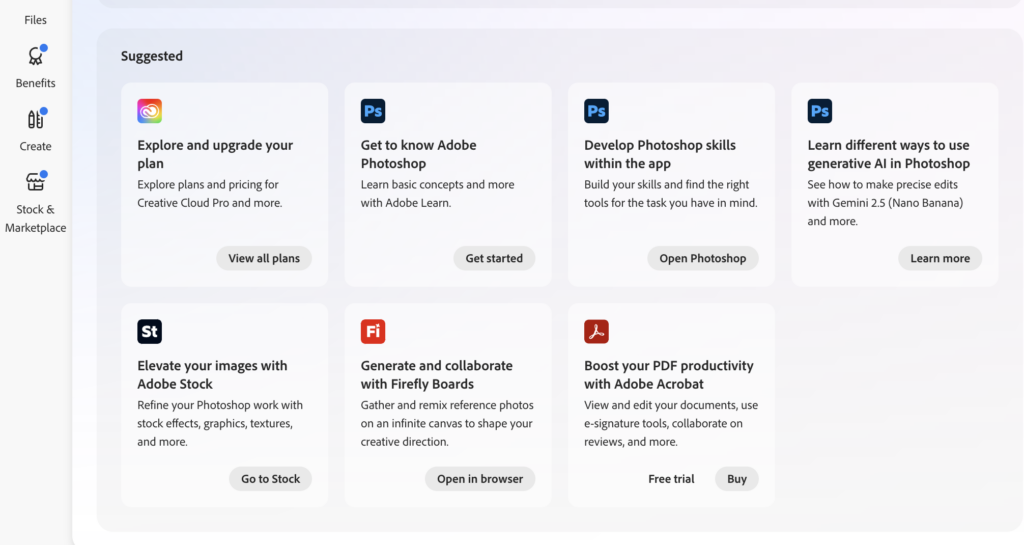
Before starting this project, I had never really used Photoshop before. My experience with photo editing was pretty limited and mostly involved putting a filter on a picture for Instagram. Because of that, learning Photoshop felt a little intimidating at first.
To help myself get started, I completed some of the tutorials and mini-courses that Adobe provides for beginners. These tutorials were helpful because they introduced me to the basic tools and features while allowing me to practice in a guided way.
One thing I found surprisingly easy was using some of Photoshop’s AI-powered features. Tools that automatically remove backgrounds or transform photos into cartoon-style images were simple to use and produced impressive results with very little effort. These features made it easier to create professional-looking edits, even as a beginner.
However, once I started experimenting with more advanced editing techniques, things became a bit trickier. Tasks like removing only one specific object from a background, combining multiple images together, or incorporating text into a design required more patience and practice. I quickly realized that Photoshop has many powerful tools, but learning how and when to use them effectively takes time.
Even though some parts were challenging, I enjoyed exploring the program and experimenting with different features. Every time I tried something new, I learned a little more about what Photoshop can do. This process gave me valuable insight into design techniques and helped me develop ideas for my Graphic Design project.
Overall, my Photoshop journey has been both challenging and rewarding. While I still have a lot to learn, I feel much more comfortable using the software than when I first started. Most importantly, the experience has inspired me and given me a better understanding of the creative possibilities available in graphic design.
Graphic Design Project
June 18, 2026 · Jessica Leeson
One Spark Can Change Everything: Designing a Fire Prevention Poster
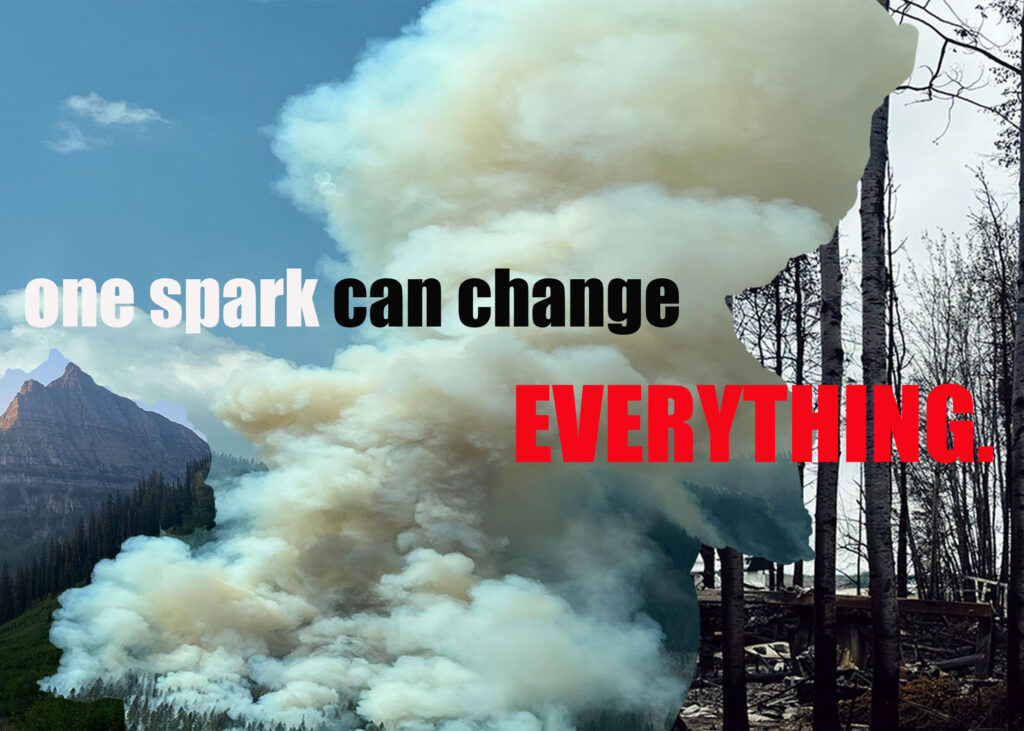
One of the things I have always enjoyed collecting is vintage fire prevention posters. Over the years I have collected several examples, and I even have a few of my favourites hanging in my bedroom. I have always appreciated how a simple image and a few carefully chosen words can communicate an important message. When it came time to create my graphic design project, I knew I wanted to create something that would fit naturally with the theme of Northern Embers while also paying tribute to the style and purpose of traditional fire prevention posters.
My goal was to communicate how quickly a single spark can transform an environment. I wanted to show the progression of a wildfire before, during, and after the damage occurs. More importantly, I wanted the image to tell a story without relying on a lot of text. A powerful visual message can often say more than paragraphs of explanation, and I wanted viewers to think about the consequences of carelessness around fire.
To create the design, I used three photographs that I had taken myself. Using my own photographs made the project feel much more personal and ensured that I had the legal right to use all of the material. The first photograph shows a mountain landscape and represents the natural environment before a fire. The second image contains flames and smoke and represents the active stage of a wildfire. The final image shows a burned forest, illustrating the lasting damage left behind after a fire. Together, these three images create a visual progression from life to destruction.
I began by arranging the photographs on separate layers and experimenting with different layouts before deciding on the final composition. I used layer masks and gradient blending techniques to selectively remove portions of the fire image and create smooth transitions between each scene. Blending modes and transparency overlays helped the photographs merge naturally while preserving the contrast between the healthy landscape and the destruction caused by the fire. I wanted the smoke to act as a bridge between the scenes and guide the viewer’s eye across the composition. I also use the background removing feature to remove a caution tape ribbon from the picture of the burnt trees.
One challenge I encountered was that the sky colours between the mountain photograph and the fire image did not match very well. To solve this problem, I used colour grading techniques and the colour match brush to adjust the tones until they blended more naturally. I also used adjustment layers to refine the brightness and contrast and improve the overall mood of the piece.
To create movement, I used the skew tool to distort portions of the smoke so that it appeared to drift across the image instead of remaining static. I also added subtle texture overlays and a slight Gaussian blur to create atmospheric depth. Using dodge and burn techniques allowed me to emphasize highlights and shadows while making the flames and smoke stand out more clearly. These adjustments helped make the composition feel more dynamic and realistic.
Throughout the design process, I tried to apply several concepts discussed in the course readings, particularly unity and Gestalt theory. I used colour, contrast, and visual hierarchy to create a clear progression from before, during, and after a wildfire. The smoke acts as a connecting element that creates unity throughout the composition and helps viewers perceive the design as one complete image rather than three separate photographs. By carefully arranging the images and controlling their colour and transparency, I was able to create a composition that communicates a clear message.
The final step was adding typography. I chose the phrase, “One spark can change everything,” because it reflects how a seemingly small mistake can have devastating consequences. I emphasized the word “EVERYTHING” in red to create visual hierarchy and draw attention to the seriousness of the message.
Overall, this project gave me more confidence experimenting with Photoshop tools and reinforced the importance of good design principles. More than anything, it reminded me that sometimes the simplest messages are the most effective. It only takes one spark to change everything.
Adobe Audition Tutorials
July 2, 2026 · Jessica Leeson
This assignment was my first time using Adobe Audition, so everything about the software was completely new to me. At first, the editing tools and layout seemed a little overwhelming, but after working through the tutorials I started to understand how everything fit together. Learning how to cut audio, rearrange clips, add music, create fade-ins and fade-outs, and adjust volume levels gave me a much better appreciation for the amount of work that goes into producing quality audio.
The first tutorial focused on recording and editing a simple counting exercise. While it seemed straightforward, it was a great introduction to using the Razor Tool, moving clips, and adding a music bed underneath the audio. It really helped me become more comfortable navigating the program.
For the second tutorial, I interviewed my dad about one of his favourite memories from my firefighting seasons. Even though the interview was short, it was a fun experience. I quickly realized that interviewing a family member is harder than it sounds because it’s easy to slip into casual conversation or start laughing. If you listen to the raw interview, you’ll definitely hear how informal we were at times! Editing the interview into a smooth, concise clip also showed me how much of a difference good audio editing can make.
Overall, Adobe Audition was definitely outside of my comfort zone, but I’m glad I had the opportunity to learn it. Although there was a learning curve, the tutorials helped me build confidence with the software, and I can see how these skills will be useful when creating future audio stories and multimedia projects.
Below are my completed audio files, including the original and edited versions from both tutorials.
Tutorial 1 – Original Recording
Direct Link:
https://on.soundcloud.com/KysNAzwsqsCgibV4pm
Tutorial 1 – Edited Recording
Direct Link:
https://on.soundcloud.com/OM4f1Xh6kp8NNOSZ7g
Tutorial 2 – Original Interview
Direct Link:
https://on.soundcloud.com/B9ptvB4fcIfFrlWZfv
Tutorial 2 – Edited Interview
Direct Link:
https://on.soundcloud.com/kwnG7bFAqaY7ICqxo1
Final Audio Story – When the Fire Came to Us
July 10, 2026 · Jessica Leeson
I wanted my audio story to be authentic, engaging, and deeply personal. Rather than simply explaining what happened, I wanted listeners to feel like they were experiencing the day alongside me. Although this audio story only captures a small part of what happened on June 2, 2025, I felt it was an important story to share because it was one of the most impactful experiences of my wildfire career. It changed the way I viewed my role in wildfire and reminded me how quickly an ordinary day can become one you’ll never forget.
Direct link to the final audio story:
Listen to the final version on SoundCloud
On June 2, 2025, a local wildfire was burning near the community where I was working. Throughout the morning, forecasts predicted the fire would continue moving away from both the airport and our fire base. It was already a busy day, but it was expected to be a routine operational day. We were coordinating aircraft, monitoring fire activity, answering phones, and supporting the response just as we had done countless times before. Then, to everyone’s surprise, the fire changed direction. The head of the fire turned and began moving directly toward the airport where I was working. Only a short time before, I had accepted a new position as a Flight Watch Coordinator. My role involved coordinating aviation resources, tracking aircraft, monitoring wildfire activity, communicating with pilots and field personnel, and supporting wildfire operations across the province. It was a significant change from my previous position as a wildfire Crew Leader, where my office had been the fireline itself. Although I loved working on the line, moving into Flight Watch gave me the opportunity to build a long-term career while finally being closer to my family. Ironically, when the fire first started moving toward the airport, part of me was excited. After leaving the fireline, I thought there might be an opportunity to put my firefighting experience back to use. Instead, the day unfolded in a way I never could have imagined. I had spent my career responding to wildfires. That day, I became someone running from one. What started as an ordinary shift quickly became one of the most significant and unforgettable days of my career. The events of June 2 changed not only the course of that day but also the perspective of everyone working alongside me. Although my audio story captures the atmosphere and emotions of that experience, it only tells part of what happened. There were moments that day far more serious than the story shares. Out of respect for the firefighters, personnel, and families affected by the recent wildfire tragedy in Colorado, I chose not to include every detail. I felt that the story could be told honestly without revisiting the darkest moments. Instead, I wanted the focus to remain on the experience of watching the place where we worked and the place we believed was safe suddenly become part of the emergency itself.
One of the aspects of this project that I am most proud of is the authenticity of the audio. Nearly every sound heard throughout the story is original. Rather than relying on downloaded sound effects, I used recordings I captured during the incident itself. These include actual recordings from radio transmissions that day, which I was authorized to use for this project, an authentic phone call I answered regarding another wildfire during the incident, the sound of the wind as we stepped outside while conditions rapidly changed, and the sound of the fire after we had escaped the most dangerous part of the situation. Looking back, I still don’t know why I recorded so much that day, but those recordings became invaluable. They allowed me to recreate the atmosphere exactly as I experienced it and gave listeners the opportunity to hear the day rather than simply imagine it. One of my biggest goals was to make the listener feel like they were sitting beside me in the Flight Watch office as the day unfolded. I intentionally opened the story with the sounds of keyboard typing, helicopters, and radio traffic before I even began speaking. Those sounds immediately place the listener in the environment and establish that this is an ordinary day in wildfire operations. As the story progresses, the sounds gradually change along with the mood. The busy office atmosphere slowly gives way to wind, quieter moments, and finally silence. I wanted the audio to help tell the story just as much as my narration.
Adobe Audition allowed me to transform those recordings into a cohesive narrative. I imported every recording onto its own track so I could independently adjust the volume and timing of each sound throughout the project. Keeping each recording separate gave me much more control over the final mix and allowed me to carefully balance my narration with the ambient audio. Throughout the editing process, I trimmed unnecessary pauses, adjusted clip timing, balanced audio levels, and used fade-ins and fade-outs to create smooth transitions between scenes. I also lowered the background sounds whenever I was speaking so that the narration remained clear while still allowing the helicopters, keyboards, wind, and radio traffic to create the atmosphere. Once I was satisfied with the final mix, I exported the project as an MP3 and uploaded it to SoundCloud for embedding into this blog.
Throughout the editing process, I found myself rewriting the narration several times. My earliest version focused almost entirely on explaining the sequence of events. As I continued working on the project, I realized the story became much stronger when I focused less on operational details and more on how the experience changed my perspective. I wanted listeners to connect with the emotions of the day rather than simply hear a timeline of what happened. I also changed the structure of the story so the audience would discover the outcome gradually instead of knowing it immediately. Rather than beginning with the fire base burning down, I wanted listeners to experience the uncertainty alongside me as the fire slowly moved closer. I slowed the pacing of my narration, removed sections that distracted from the main message, and allowed moments of silence and ambient sound to become part of the storytelling. Those revisions helped transform the project from a simple recount of events into a more reflective documentary-style narrative. One of the biggest things I learned from this assignment was how powerful audio storytelling can be. In a written story, readers create the sounds in their imagination. Through audio, those sounds become part of the experience. The helicopters, radio transmissions, keyboard typing, wind, and even the silence all contribute to how the listener understands the story and the emotions behind it.
Revisions Based on Peer Feedback
After receiving feedback on my draft, I returned to Adobe Audition and made several changes to strengthen the final version of the story. My classmates responded positively to the authenticity of the original recordings, the suspense created through the changing soundscape, and the emotional impact of the ending. Their suggestions encouraged me to slow down certain moments and give the environmental sounds more space instead of relying only on narration to carry the story. One of the most significant revisions was adding music. I included The Weight of My Tears by Cobby Costa as a subtle background track during selected sections of the story. I kept the music low beneath the narration so it would support the emotional tone without overpowering my voice or the original recordings. The music helped create a stronger sense of reflection and made the transitions between the operational scenes and the more personal moments feel smoother. I also extended and added more ambient sound throughout the final edit. The keyboard typing, radio traffic, helicopters, office noise, wind, and other recordings are allowed to continue for longer periods so listeners have more time to feel present within each scene. In particular, I gave the opening sounds more space before beginning the narration and allowed the wind and final moments of silence to remain longer at the end. This change made the pacing feel less rushed and gave the conclusion more emotional weight. In addition to the audio changes, I revised parts of the script and rerecorded sections of the narration. I corrected wording that felt repetitive or unclear, improved several transitions, and adjusted the pacing of certain sentences. I also removed some operational details that distracted from the central message and focused more directly on the emotions and perspective behind the experience. These changes helped make the final story clearer, more polished, and more personal while preserving the authenticity that listeners appreciated in the draft.
Ultimately, this project reflects exactly what I hoped it would become: an honest look at the people behind wildfire response. Every aircraft launch, every dispatch, every radio call, and every decision represents people working together under extraordinary circumstances. June 2, 2025, reminded me that wildfire does not only affect the communities we protect. It can also change the lives of the people responding to it. That is the story I wanted to tell. I hope that after listening, people come away with a greater appreciation for the men and women working behind the scenes every wildfire season. More importantly, I hope they understand that behind every dispatch, every aircraft, and every wildfire are people whose lives can change in an instant. Thank you for listening.
Draft Video Story – POV: This Is Your Summer Job
July 23, 2026 · Jessica Leeson
Direct video link:
Watch “POV: This Is Your Summer Job” on YouTube
This blog post accompanies the draft version of my video story, POV: This Is Your Summer Job. For this assignment, I wanted to create a short, cinematic montage that captures what it is like to spend a summer working in wildfire. Rather than creating a documentary with narration, I wanted to tell the story entirely through visuals, music, and editing. My goal was to give viewers a glimpse into the experiences that have made my wildfire seasons so memorable while creating a fast-paced video that felt engaging from beginning to end.
This project was much more challenging than I originally expected. Although the finished video is only about one minute long, I spent hours planning, reviewing footage, editing, and making small adjustments. I quickly realized that creating a short video that tells a story is much more difficult than simply putting clips together. Every decision, from choosing which clips to include to determining how long each clip should appear on the screen, affected the overall feel of the video. I wanted every second to contribute to the story, which meant watching the project repeatedly and making constant changes to improve the pacing and flow.
The inspiration for this project came from looking back through the hundreds of photos and videos I have captured over multiple wildfire seasons. Over the years, I have collected footage of helicopters, air tankers, beautiful landscapes, wildlife, incredible sunrises and sunsets, and many of the people I have had the opportunity to work with. Looking through these memories reminded me that working in wildfire is about much more than responding to emergencies. It is also about the incredible places you visit, the people you meet, and the unique experiences that most people never get to see. Instead of focusing on one particular wildfire or event, I wanted to create a montage that represented what a summer working in wildfire feels like.
Most of my planning involved reviewing my personal collection of videos and deciding which clips best represented my experience. This was one of the most time-consuming parts of the project because I had footage from several wildfire seasons to sort through. I selected clips that showed a balance of aircraft operations, scenic landscapes, memorable moments with coworkers, and some of my favourite experiences from the past few years. Once I had chosen the footage, I organized it into a sequence and created a storyboard to help guide the editing process.
All of the footage used in this project was recorded by me during multiple wildfire seasons across Western Canada. The video includes helicopters, air tankers, aircraft operations, forests, mountains, wildlife, sunsets, and clips of some of the people I have worked with throughout my wildfire career. I wanted the montage to show not only the operational side of wildfire management but also the moments that make the job rewarding and unforgettable.
The editing process was by far the most challenging part of the assignment. I spent several hours trimming clips, rearranging sequences, adjusting timing, and experimenting with different editing techniques to achieve the style I envisioned. I used quick cuts, cinematic transitions, flash effects, and synchronized many of the edits with the beat of the music to create a fast-paced montage. I also adjusted the length of individual clips, refined transitions, added the opening title, and repeatedly watched the project from beginning to end to identify small improvements. There were many times when I thought I had finished, only to notice another change that would improve the overall flow. Although it was challenging, I learned how much thought and attention to detail goes into creating a polished video.
The background music used in this draft is “We Found Love” by Calvin Harris and Rihanna. I chose this song because its energy matched the excitement of the footage and helped create the cinematic atmosphere I wanted for the project.
I believe this story is significant because it highlights a side of wildfire work that many people do not often see. While most people only hear about wildfire during major fire events, there are countless memorable moments throughout a season that happen behind the scenes. Through this montage, I wanted to share the beauty of the landscapes, the excitement of aviation, and the people who make wildfire operations possible. My hope is that viewers come away with a better appreciation for the profession and the experiences that make it so rewarding.
Overall, I am very happy with how this draft has turned out. This assignment challenged me creatively and technically, but it also taught me how much planning and editing are required to produce even a short cinematic video.
Final Video
Revisions for the Final Draft After receiving feedback on my draft, I made several revisions to strengthen the final version of the video. One of the most significant changes was simplifying the editing style by replacing some of the more complex transitions with cleaner, more subtle transitions. This allowed the footage itself to become the focus of the story and created a smoother, more professional viewing experience. I also added introductory text at the beginning of the video to immediately provide viewers with context and establish the purpose of the montage. In addition, I adjusted the colour grading and increased the saturation to make the landscapes, aircraft, and sunsets appear more vibrant and cinematic. While I was pleased with the final colour adjustments, I noticed that uploading the video to YouTube slightly altered the colours and image quality due to the platform’s video compression. Overall, these revisions improved the clarity, pacing, and visual consistency of the project while maintaining the fast-paced, cinematic style I originally envisioned. The feedback I received helped me refine the video into a more polished final product that better represents the experience of spending a summer working in wildfire.Watch “POV: This Is Your Summer Job” on YouTube
Storyboard
| Approximate Time | Visuals | Purpose |
|---|---|---|
| 0:00–0:05 | Title: POV: This Is Your Summer Job | Introduce the theme and capture the viewer’s attention. |
| 0:05–0:20 | Scenic landscapes, driving, sunrise | Introduce the atmosphere of working in wildfire. |
| 0:20–0:45 | Helicopters, air tankers, aircraft operations | Showcase the excitement of the job. |
| 0:45–1:00 | Wildlife, coworkers, sunsets, memorable moments | Highlight the experiences and relationships built throughout multiple wildfire seasons. |
| Final seconds | Scenic closing shot | End the story with a memorable final image. |